What is Gum Disease (Periodontal Disease)?
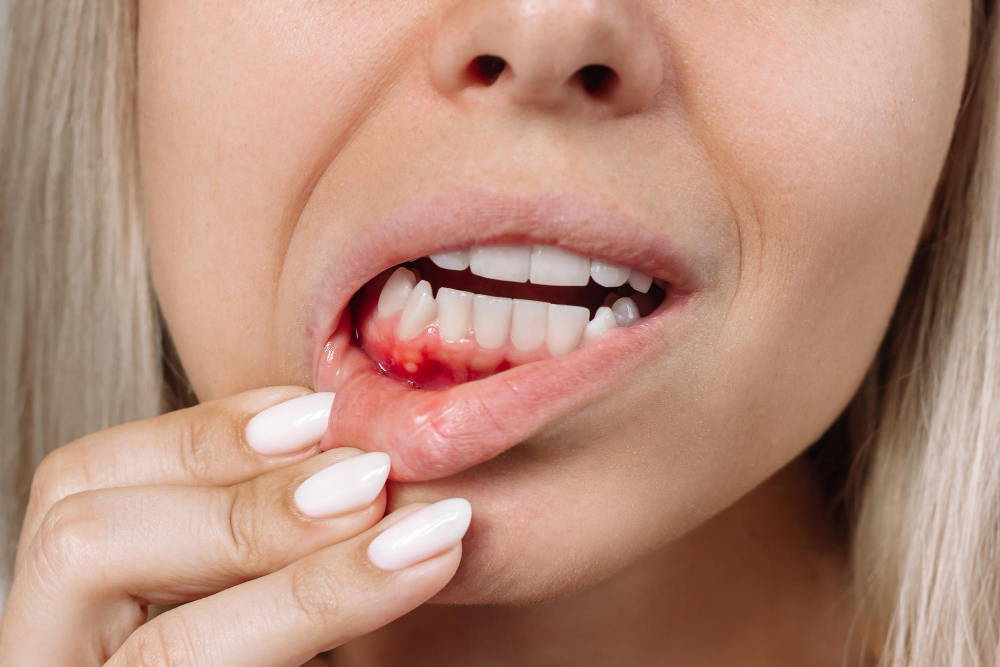
Gum disease, also called periodontal disease, is a common problem. It affects the tissues that support your teeth. At first, it may seem mild. However, if left untreated, it can lead to tooth loss. According to the CDC, almost half of adults over 30 show signs of gum disease. Because it can start quietly, knowing the early signs of gum disease is important for everyone.
Why Early Detection Matters
Early detection of gum disease can save your teeth and gums. If you spot the signs early, treatment is easier and more effective. In addition, early care can prevent pain and costly dental work later. For this reason, learning how to detect gum disease early is key to keeping your mouth healthy.
Early Signs of Gum Disease to Watch For
It is important to notice changes in your mouth. Below are common early signs of gum disease:
If you notice any of these periodontal disease symptoms, it is best to act quickly. Early action can stop the disease from getting worse.
Causes and Risk Factors
Gum disease starts when plaque builds up on your teeth. Plaque is a sticky film of bacteria. If not removed, it can harden into tartar. This leads to irritation and infection of the gums. Several factors can increase your risk:
Because these factors can make gum disease more likely, it is important to pay attention to your gum health.
How Gum Disease is Diagnosed
Dentists use several steps to check for gum disease. First, they look at your gums for redness, swelling, or bleeding. Next, they may use a small tool to measure the space between your teeth and gums. Healthy gums have shallow spaces. Deeper spaces can mean gum disease. Sometimes, dental X-rays help show if bone loss has started. Early diagnosis helps your dentist plan the right treatment.
Prevention Tips and Oral Hygiene Guidance
Good oral care can prevent gum disease. Here are some gum health tips to follow every day:
In addition, if you live in an area with hard water, ask your dentist about special cleaning tips. Local dental clinics can also offer advice for your specific needs.
When to See a Dentist
If you notice any early signs of gum disease, do not wait. Even mild symptoms can get worse over time. Schedule a dental visit if you see bleeding, swelling, or other changes in your gums. Early treatment can protect your smile and prevent tooth loss.
Consult a dental specialist if you notice any early signs of gum disease.