
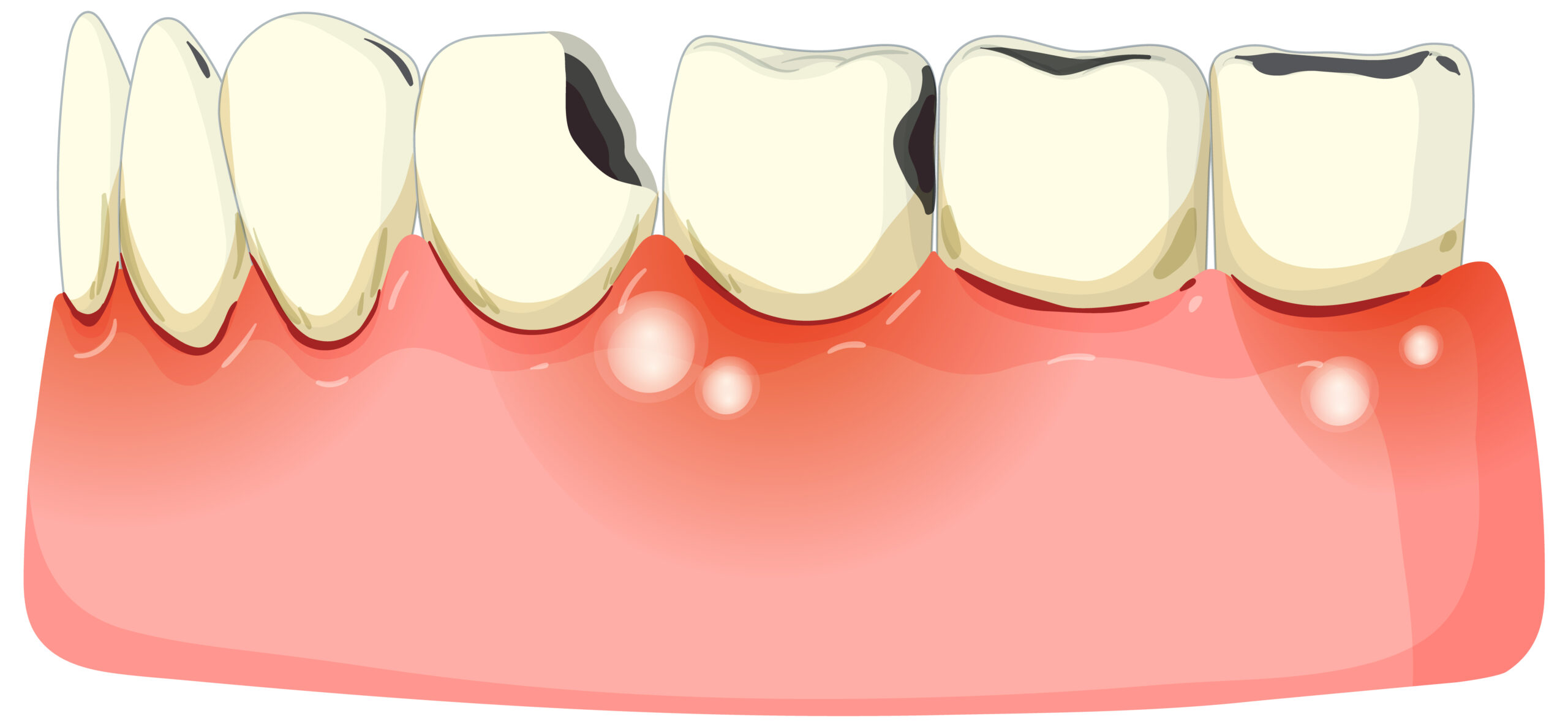
Introduction to Tooth Decay (Cavities)
Tooth decay (cavities) is a common dental problem. It affects people of all ages. Cavities can cause pain, infection, and even tooth loss. However, you can prevent most cases with good oral care. In this blog, you will learn about the causes of tooth decay, how cavities form, and simple ways to protect your teeth. Understanding these facts helps you keep your smile healthy.
What Causes Tooth Decay and Cavities?
Tooth decay starts when bacteria in your mouth feed on sugars from food and drinks. As a result, these bacteria make acids that attack your tooth enamel. Over time, the acid breaks down the enamel, leading to cavities. The main causes of tooth decay include:
Because tooth decay can happen to anyone, it is important to know the risks and how to prevent it.
Common Risk Factors
Some people have a higher chance of getting cavities. For example, children and older adults are at greater risk. But other factors also play a role. Here are some common risk factors:
Even if you have some of these risks, you can still take steps to protect your teeth.
How Cavities Develop: The Process Explained
First, bacteria in your mouth stick to your teeth and form a sticky film called plaque. Next, when you eat or drink, the bacteria use sugars to make acids. Over time, these acids wear away the enamel, which is the hard outer layer of your tooth. If the damage continues, a small hole or cavity forms. Without treatment, the decay can reach deeper layers and cause pain or infection. Because this process happens slowly, regular dental checkups can catch problems early.
Prevention Tips for Tooth Decay
Good oral health habits can help stop tooth decay before it starts. Try these dental caries prevention tips:
Because prevention is easier than treatment, these simple steps can keep your teeth strong.
When to See a Dentist
It is important to see a dentist if you notice any signs of tooth decay. For example, watch for:
Even if you have no symptoms, regular dental visits help catch problems early. Early treatment can prevent bigger issues later.
In summary, tooth decay (cavities) is common but preventable. With good habits and regular dental care, you can protect your teeth for life. Consult a dentist for personalized advice on preventing tooth decay.